Dr. D. V. J. Harischandra by John R. De Silva, News Items, Appreciations
Courtesy : https://thuppahis.com/2013/05/07/in-appreciation-of-dvj-harischandra-dr-psychiatrist-and-a-man-of-letters/
It was the early 1950s and I was thrust into the portals of a College in Galle for my education. For a student who was attending a Colombo College at the time this was quit a revelation. I was a ‘hosteller’ and was one of the few hostellers in my class. I was pretty short and was sat next to a diminutive student who later showed us what a colossus he was in the study of Engineering. Also in my class was this slightly built student who for some reason decided that he would ‘keep me company’ and so it came to pass that I was surrounded by some of the ‘stars’ of SAC. The slightly built student was none other than Dr Harischandra whom we affectionately called DVJ.
.jpeg) |
| John R. De Silva & Dr. Harischandra, |
Dikwelle Vidanage Jayaratna Harsichandra was born in Mihiripanna, Thalpe Galle on 11 March 1938.In the Junior exams in 1952 he achieved a 1stdivision recording distinctions in Arithmetic, Latin, Maths, Geography, English and English Literature. In the Senior exams in 1954 he achieved a 1st division recording distinctions in Pure Maths. In 1957 he entered the Faculty of Medicine. While in College he was the holder of the F A Gunasekera Memorial Scholarship in 1953-55 and the M J Gomez Memorial Scholarship for the best candidate in the SSC exam 1955-57. He carried away the Senior Form A Sinhalese prize in 1955 and in 1956 he took the prize in the University Entrance year 1 Medical Section. I find that he contributed an article on Hormones to the 1955 – 1956 Aloysian Magazine – pgs 51-54. This was the prelude for greater and loftier things to come!
I now resort to Wikipedia on the Internet for more of DVJ’s achievements: “Dr Harischandra was an acclaimed Sri Lankan consultant Psychiatrist, orator, author, Buddhist scholar and a senior lecturer attached to the University of Ruhuna. Apart from these he held several designations including Head of the Psychiatrist Study Division UOR and Chairmanship of the Psychiatric Medical Science Study Council of the Colombo Post Graduate Medical Institute. He took part in many Buddhist TV discussion programs and was a key resource contributor to Nanapahana and Doramandalawa aired on Telshan Networks and ITN respectively. Nanapathana is a programme in which he actively participated for about 13 years. “
Dr Ruwan M Jayatunge (York University Canada) in his “Tribute to Dr. D.V.J Harischandra – Consultant Psychiatrist”, posted on March 2nd, 2013 in Lankaweb.com state“I had never met a Psychiatrist who had a deep knowledge in Psychoanalysis as Dr. D.V.J Harischandra. He knew the works of Freud, Jung, Alfred Adler, Melanie Klein and Eric Fromm like the back of his hand.”
Dr Harischandra was given an appropriate funeral. His cremation was attended by a large gathering with his beloved College playing a significant part in the rituals. It was conducted in the area between the Fort and the famous Butterfly Bridge known as the Samanala Grounds.
In 1964 Dr Harischandra married Padma Gunawardana. They had three children: Neshantha Harischandra (Senior lecturer in English at UOR), Dr Tolusha Harischandra (Cardiothoracic Specialist) and Dr Navodya Harischandra. To the family we extend our very deepest sympathies.
DVJ may you attain Nirvana.
***
Courtesy : Friends Who Like Saint Aloysius' College Galle photos 1950/1960

Seven Steps to Examination success: (Based on the public lectures by Dr. DVJ Harischandra)

TUESDAY, MAY 26, 2015
BOOK REVIEW Consultant Psychiatrist D. V. J. Harishchandra’s Buddhism and Psychiatry (Manovaidya D. V. J. Harischandrayange Buddha Dharmaya Saha Manovaidya Vidyawa) EDITED BY TOLUSHA HARISHCHANDRA PUBLISHED BY VIJITHA YAPA PUBLICATIONS REVIEWED BY HEMANTHA SITUGE. e-mail : hsituge@gmail.com blog : Hemantha Situge @ blogspot.com.

විශේෂඥ මනෝ වෛද්ය ඩී. වී. ජේ. හරිස්චන්ද්ර මහතා
(01-03-2013 – lankadeepa.lk)
මනෝ විද්යාව සරල සිංහලෙන් ජනතාව අතර ප්රචලිත කිරීමේ පුරෝගාමී මෙහෙවරක යෙදුණු, සිංහල භාෂාව පිළිබඳ හසල බුද්ධිමතකු වූ ඩී.වී.ජේ.හරිස්චන්ද්ර මහතා අද (01-03-2013) උදෑසන ලක් මවගෙන් සමු ගත්තේය. ගාල්ල සිට කොළඹ යමින් සිටියදී ඇතිවූ අසනීපයක් නිසා කළුබෝවිල රෝහලට ඔහු ඇතුළු කළත් දිවි බේරාගත නොහැකි විය.
මනෝ වෛද්යවරයකු, බෞද්ධ මහෝපාසකයකු, භාෂා ප්රේමියකු, පඬිවරයකු මෙන්ම සරල හා නිහතමානී මිනිසකු වූ දොස්තර හරිස්චන්ද්ර ශ්රී ලංකාවේ දස දහස් ගණන් මානසික රෝගීන් සුවපත් කළේය.
මියයන විට 75 වැනි වියේ පසුවූ හරිස්චන්ද්ර මහතා දියණියන් තිදෙනකුගේ පියෙකි. 1938 වසරේ මාර්තු 11 වැනි දින ගාල්ල තල්පේ දී දික්වැල්ල විදානගේ ජයරත්න හරිස්චන්ද්රනමින් උපත ලැබූ ඔහු ගාල්ල ශාන්ත ඇලවීෂියස් විද්යාලයේ ආදි ශිෂ්යයෙකි. පද්මා ශ්රියාලතා අබේසිංහ ගුණවර්ධන මහත්මිය සමග විවාහ වූ හරිස්චන්ද්ර මහතාගේ දියණියන් තිදෙනා අතරින් වැඩිමහළු දියණිය නේශාන්තා හරිස්චන්ද්ර මහත්මිය රුහුණ විශ්වවිද්යාලයේ ඉංග්රීසි භාෂාව පිළිබඳ ජ්යෙෂ්ඨ කථිකාචාර්යවරියකි. දෙවැනි දියණිය වූ ටොලූෂා හරිස්චන්ද්ර මහත්මිය කරාපිටිය රෝහලේ හෘද හා උරස් ශල්ය ඒකකයේ විශේෂඥ වෛද්යවරියකි. බාලම දියණිය වූ නවෝදා හරිස්චන්ද්ර මහත්මිය කරාපිටිය මනෝ වෛද්ය ඒකකයේ වෛද්යවරියක ලෙස සේවය කරයි.
ගාල්ල වුඩ්වර්ඩ් මාවතේ පදිංචිව සිටි වෛද්ය හරිස්චන්ද්ර මහතා වෛද්ය විද්යා උපාධිය ලබා ගැනීමෙන් අනතුරුව එංගලන්තයේ වැඩිදුර අධ්යාපනය ලබා ඇත. 1969 වර්ෂයේ සිට 1970 දක්වා ලන්ඩනයේ මනෝ වෛද්ය විද්යා ආයතනයේ පාඨමාලාවක් හැදෑරූ වෛද්ය හරිස්චන්ද්ර මහතා ලන්ඩනයේ ටැවිස්ටොක් හි මනෝ චිකිත්සාව හැදෑරුවේය. ඉන් අනතුරුව 1976 සිට 1977 දක්වා කාලයේ එඩින්බරෝ විශ්වවිද්යාලයේ සේවය කළ ඒ මහතා මනෝ වෛද්ය විශේෂඥයකු ලෙස අංගොඩ මානසික රෝහල ද ඇතුලත්ව ශ්රී ලංකාවේ රෝහල් ගණනාවක සේවය කිරීමෙන් අනතුරුව කරාපිටිය රෝහලේ මනෝ වෛද්ය විශේෂඥවරයා ලෙස පත්ව ආවේය.
රුහුණ විශ්වවිද්යාලයේ කරාපිටිය වෛද්ය පීඨයේ මනෝ වෛද්ය විද්යාව පිළිබඳ ජ්යෙෂ්ඨ කථීකාචාර්ය වරයකු වූ හරිස්චන්ද්ර මහතා අනතුරුව මනෝ වෛද්ය විද්යා අධ්යයනාංශයේ ප්රධානියා ලෙස 2003 වර්ෂය දක්වා කටයුතු කළේය. කරාපිටිය රෝහලේ වසර 29 ක් සේවය කළ ඒ මහතා බුදු දහම පිළිබඳ ගැඹුරින් හැදෑරූ විද්වතෙකි.
විශ්රාම ලැබීමෙන් පසු බුදු දහමට අමතරව පෙරදිග සංගීතය හැදෑරූ වෛද්ය හරිස්චන්ද්ර මහතා හින්දි සංගීතය පිළිබඳ මනා දැනුමක් ඇති තැනැත්තෙකි. පන්සිය පනස් ජාතක පොතේ කතා කිහිපයක් පදනම් කැර ගනිමින් හින්දි ගීත තනු වලට ගීත 20 ක් ලියූ හරිස්චන්ද්ර මහතා එම ග්රන්ථය ‘ජාතක ගීත සංග්රහය’ නමින් සංයුක්ත තැටියක් ද සහිතව එළිදක්වන ලදී. එම ගීත අතර තිබූ ‘මා මෙන් අසමින් ඔබෙන්’ ගීතය ගායනා කැර ඇත්තේ ද වෛද්ය හරිස්චන්ද්ර මහතා විසිනි.
ඉන්දියාවේ රාගධාරී සංගීතය පිළිබඳ ගැඹුරින් අධ්යයනය කළ වෛද්ය හරිස්චන්ද්ර මහතා එම සංගීතය යොදා ගනිමින් මානසික රෝගීන් සුව කිරීමට ඇති හැකියාව පිළිබඳව පර්යේෂණ සිදුකැර තිබේ.
පුවත්පත්, රූපවාහිනී හා ගුවන්විදුලි වැඩසටහන් ඔස්සේ සරල සිංහල භාෂාවෙන් මනෝ විද්යාව පිළිබඳව හා බුදු දහම පිළිබඳ ජනතාව දැනුම්වත් කිරීමේ මෙහෙවරක නිරතවූ වෛද්ය හරිස්චන්ද්ර මහතා ග්රන්ථ රාශියක කතුවරයෙක් වෙයි.
වෛද්ය හරිස්චන්ද්ර මහතා විසින් මුලින්ම ලියන ලද ග්රන්ථය වූයේ ‘ජාතක කතා පිළිබඳ මනෝ විද්යාත්මක හැරී බැලීමක්’ නමැති ඉංග්රීසි ග්රන්ථයයි. 2000 වර්ෂයේදී ලියන ලද එම ග්රන්ථයට 2010 වර්ෂයේ රාජ්ය සම්මානය ලැබිණි.
‘බුදු දහම සහ මානසික සුවය’ , ‘ජාතක කතා පිළිබඳ මනෝ විද්යාත්මක කරුණු’ , ‘සුවහස් නය මනැසි ඉසිවරයාණෝ – කුමරතුංග මුණිදාස’ ආදිය ඒ අතර වෙයි. එයට අමතර ජාතික පුවත්පත් රැසකට ලිපි ලියා ඇති හරිස්චන්ද්ර මහතා ‘ගාලූ පහන් සිළු’ සම්මානයෙන් ද ‘ස්වර්ණ චින්ත ප්රදීප’ සම්මානයෙන් ද පිදුම් ලැබුවේය.
දෙස් විදෙස් හි වෛද්ය ශිෂ්ය ශිෂ්යාවන්ට මෙන්ම වෛද්යවරුන්ට ද සාමාන්ය පොදු ජනතාවට ද දේශන රැසක් පවත්වා ඇති ඒ මහතා ලියන ලද පර්යේෂණ පත්රිකා සංඛ්යාව ද අති මහත්ය.
————————————————–
වෛද්ය හරිස්චන්ද්ර මහතා මියගියේ දෙරණ ටීවී වැඩසටහනක ‘මේකප්‘ එකක් කරද්දිලු
(04-03-2013 – gossiplankanews.com)
පසුගියදා රටම හඬවමින් දැයෙන් සමුගත් කීර්තිමත් මනෝ වෛද්ය විශේෂඥ හරිස්චන්ද්ර මහතා මිය ගිය අවස්ථාවේ ඇතැම් වාර්තා පළවුයේ ඔහු ගාල්ලේ සිට කොළඹට එන අතර හදිසි හෘදයාබාධයකින් මිය ගිය බවයි.
නමුත් ඔහු ඇත්තටම මිය ගොස් තිබෙන්නේ දෙරණ රූපවාහිනී නාලිකා පරිශ්රයේදීය. දෙරණ ටීවී නාලිකාවේ විකාශය වන ‘සිත් ගිමන් හල‘ නම් වැඩසටහනේ පටිගතකිරීම් වලට පෙර වේශනිරූපණ කටයුතු කරන අතරතුර එක්වරම ඔහුගේ ඇස් දෙක උඩට ගොස් මුඛය විවරවී මුහුණ කඩාපාත්වූ බවත් අනතුරුව කළුබෝවිල රෝහලට ගෙනගිය විට මරණයට පත්වූ බවත් වාර්තා වුණා. මරණ පරීක්ෂණයේදී පැවසුනේ ඔහුට හදිසි හෘදයාබාධයක් නිසා ජීවිතය අහිමිවුණ බවයි.
වෛද්ය හරිස්චන්ද්ර මහතාව එම අවස්ථාවේ වේශ නිරූපණයට ලක් කර ඇත්තේ මල්කා නිරෝමි පෙරේරා (27) මෙනවියයි. ඇය මරණ පරීක්ෂණයේදී සාක්ෂි දෙමින් පැවසුවේ.
‘මං 2010 වසරේ දෙරණ ටීවී ආයතනයේ වේශ නිරූපණ ශිල්පිණියක ලෙස බැඳුණා. වැඩසටහන් කරන්න කලින් මේකප් කරන එක තමා මගේ රාජකාරිය. මාර්තු 1 වනදා ‘සිත් ගිමන් හල‘ වැඩසටහනට එන අයට මේකප් කරන්න මට නියමිතව තිබුණා. එදා ඒකට මනෝවෛද්ය විශේෂඥ හරිස්චන්ද්ර මහතා ආවහම මං මේකප් කරා. ඒක කරද්දි ඩොක්ටර් හොඳින් හිටියා. වෙනසක් පෙන්නුවෙ නෑ. ඉවර වුණාම මට හිනා වෙලා ‘තැන්ක්යූ‘ කිව්වා.
මං හැමදාම කරන විදියටම මේකප් එක කරා. මේකප් එක ඉවරවුනාට පස්සෙ අන්තිමට පවුඩර් දාන වෙලාවේ මං තවත් කට්ටිය ඉන්නවද දැනගන්න ඕන නිසා ‘අද ප්රෝග්රෑම් එකටත් ලෙඩ්ඩු එනවද ඩොක්ටර්” කියල නිකමට ඇහුවා. ඒත් ඩොක්ටර් මගේ මූණ දිහා බලාගෙන හිටිය මිසක් උත්තර දුන්නෙ නෑ. එහෙම බලාගෙන ඉඳල ටිකක් වෙලා යනකොට එයාගෙ ඇස් දෙක උඩට ගියා. කට ඇරුණා. උළුවස්සට අත තියාගෙන අල්ලන් හිටිය ඩොක්ටර් ටිකෙන් ටික බිමට පාත්වෙන ගතියක් මං දැක්කා. ඩොක්ටර් වැටෙන්න කලින් මං කෑගහල කට්ටිය ගෙන්නුවා. ඉක්මණින්ම මෝටර් රථයක් ගෙන්නල ඩොක්ටර්ව කළුබෝවිල රෝහලට ගෙනිච්චා.”
දෙරණ ටීවී ‘සිත් ගිමන්හල‘ වැඩසටහන් නිෂ්පාදක ප්රසාද් චමින්ද මේ ගැන සාක්ෂි දෙමින් කියා සිටියේ :
‘මේ වැඩසටහන සජීවී ලෙස සතියේ සෑම සිකුරාදාම ප්රචාරය කරනවා. එදා උදේ 07:30 ට පමණ ආයතනයට ඔහු ගෙන්වාගත්තා. පසුව උදෑසන ආහාරය ඔහු වෙනසක් නැතිව ලබාගත්තා. හොඳින් කථාබහ කරමින් සිටියා. තේ එක උණු වැඩියි කියා බිව්වෙ නෑ. නාන කාමරයෙන් ඇඟපත සෝදාගෙන රැවුල පවා කැපුවා. පසුව අදාළ ඇඳුම් ඇඳගත්තා. වැඩසටහනට හොඳින් සූදානම් වෙමින් සිටියා. මේකප් කරන අතර කෑගසන ශබ්දය ඇසී තමා මං සිද්ධිය දැනගත්තේ. පසුව කැමරා ශිල්පී මංජුලගේ කාර් එකෙන් වහාම රෝහලට ගෙනිච්චා. ඒත් උදේ නමයට විතර නැතිවුණා.”
හදිසි මරණ පරීක්ෂණයෙන් පසු හදිසි මරණ පරීක්ෂිකා එල්.එච් එස්. රොද්රිගු මහත්මිය මෙය හෘදයාබාධයක් නිසා ඇතිවූ ස්වාභාවික මරණයක් බව නිගමනය කළා.
වෛද්ය හරිස්චන්ද්රගේ අවසන් කටයුතු ඊයේ (03-03-2013) සවස ගාල්ලේදී හමාර වුණා ෴
—————————————————–
ගාලු ඉසිවරයාට මහජන හරසර
(03-03-2013 – lankadeepa.lk)
ශ්රී ලංකාවේ ඉතා කීර්තිමත් මනෝ විද්යා විශේෂඥ වෛද්යවරයකු වූ ඩී.වී.ජේ.හරිස්චන්ද්ර මහතාගේ අවසන් කටයුතු අද ගාල්ල සමනළ ක්රීඩා පිටියේදී සිදුකැරුණි. ඒ මහතා පදිංචිව සිටි වුඩ්වඩ් මාවතේ නිවසින් අවමංගල්ය පෙරහැර සවස 03:00 ට පිටත් විය. මග දෙපස විශාල ජනකායක් වෛද්ය හරිස්චන්ද්ර මහතාට අවසන් ගෞරව දැක්වීම සඳහා එක්ව සිටියහ.
—————————-
A tribute to Dr. D. V. J. Harischandra
(03.03.2013 – island.lk)
I first met Consultant Psychiatrist, Dr. D. V. J Harischandra, in 1998, when he came to deliver a presentation on Euthanasia at the Brown’s Beach Hotel in Negombo that was organized by the Clinical Society of the Negombo Hospital. On that day he gave an outstanding presentation on Euthanasia and Medical Ethics and captured everyone’s attention with his knowledge and language skills. He was a superb orator.
Dr. Harischandra was an excellent media presenter and he had the exceptional ability of presenting deep concepts of psychology and psychiatry to the general public in simplistic manner. He was an admirable teacher and an instructor. Trained as a Psychiatrist, he served in a number of hospitals, treating a large number of patients. He was a friendly and a gentle specialist who observed the professionals ethics at all times.
He had a profound knowledge of Psychiatry, Psychology, Sociology and Philosophy. It was a rare combination. He was not a traditional doctor with limited specialty. He could eloquently speak of many subjects and I always considered Dr. Harischandra as a walking encyclopaedia. He never gave up reading and exploration. He was open to new subjects and never became a slave to any dogma. Until his death, Dr. DVJ actively engaged in the process of accumulation of knowledge.
Dr. Harischandra used different strategies to treat his patients. Although he was trained in England Dr. DVJ never forgot the traditional healing methods that brought holistic approach. He strongly believed in the impact of culture in the healing process. He did incorporate psychodrama to treat his patients. In 2002 he invited me to visit his clinic in Galle where he used numerous successful psychotherapies. He was an excellent and a gifted counselor who knew Rogerian Therapy from A to Z. He offered empathy and treated his patients in a nonjudgmental atmosphere. I had never met a Psychiatrist who had a deep knowledge in Psychoanalysis as Dr. Harischandra.
He knew the works of Freud, Jung, Alfred Adler, Melanie Klein and Eric Fromm like the back of his hand.
The leading Psychiatric also took a special interest to study the Buddhist Jathaka stories. He knew that the Jataka stories deeply analyzed the human mind and it contained a profound universal humanistic philosophy. In his famous book “Psychiatric Aspects of Jataka Stories”, Dr. Harishandra pointed out that the Western Psychologists Psychiatrists should carefully study this ancient DSM which is a priceless piece of work.
He adored the work of Munidasa Cumaratunga – the great Sri Lankan linguist and a writer who had a reflective knowledge of the Sinhala language. He believed that Cumaratunga had similar views on language like Jacques Derrida who introduced the theory of Deconstruction. He knew that Cumaratunga and Derrida were two different people who lived in different academic eras, but they shared something common.
He highlighted the major child psychology concepts that were used by Cumaratunga in his works. According to Dr. Harischandra, Cumaratunga used linguistic scaffolding in the language acquisition period to help children to grasp language skills.
Dr. Harischandra realised the psychological impact of the war in Sri Lanka first hand and encouraged me to study combat Psychology. Once on a TV program he quoted a few lines from one of my books that recounted Combat Trauma in Sri Lanka. He knew the psychological repercussions of the armed conflict and how it affected mental health. He had treated a large number of war victims. In addition, during the Asian Tsunami in 2004, he rendered an invaluable service to Tsunami victims.
Our last meeting was in 2007 at the 3rd International Conference of South Asian Federation of Psychiatric Associations that was held at the Tangerine Hotel, Kalutara. After that, we intermittently exchanged views via telephone. When I asked for his email Dr. Harischandra replied: I am an old fashion guy and I don’t have an email. He honestly admitted that he was little far behind computer technology.
But I have no doubt that Dr. Harischandra was conversant with it.He was a genius and a quick learner.
Before I conclude my eulogy, I ought to mention some of the extraordinary human qualities of Dr. Harischandra. He did not walk with a big ego and a chip on his shoulder. He possessed no professional jealousy and he never treated the junior doctors with sarcasm. He had an open mind to admire the knowledge and skills of his junior doctors. He was a true professional until his last day.
Dr Ruwan M. Jayatunge
York University
Canada
—
The DVJ mark in medical literature
 Dr Dikwelle Vidanage Jayaratne Harischandra, more known as DVJ Harischandra, is no more. He was one resourceful medical professional who was linked to mass media in the dissemination of mental disorders, and the need for treatments via some of the unconventional ways.
He used a language in his medical message to impart some of the worldwide knowledge in the field in the simplest manner possible. His demise brought much sadness to those who knew him in his field of findings and treatments.
I chanced to know him as a result of his pioneer work titled as ‘Psychiatric Aspects of Jataka Stories’ (1998) which came to be written as an intensive study and rediscovery of Jataka stories.
As Dr DVJ once told me, he had spent quite a number of hours in the library reading and analyzing the human content which had gone to the creation of Jataka stories. I was amazed at the wealth of substance that he wanted to impart via Jataka stories.
The intention of the research is outlined as follows:
“This book will show those of you who are interested in Jataka stories, and those of you who are interested in the human mind, how these ancient stories can help in the understanding of the human mind and especially in the study, prevention and treatment of its disorders.”
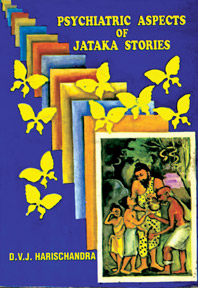 One would wonder how the human mind could be understood via Jataka stories. But Dr Harischandra is bold enough to bring forth a challenge by outlining a scheme of detection and diagnosis process. As a basis for the model, he outlines some of the salient and rare human experiences of humans in interaction. He says that the study, prevention and treatment of mental disorders are the main objectives of psychiatry. Having laid down this basic theoretical perspective, he compares the models in the orient as well as in the occident. He presents theories of such persons as Curren and Guttman as laid down in clinical psychiatry.
While possessing a sound, up to date, knowledge in psychiatry, gathered from erudite research and following course work in places such as Edinburgh University Medical Faculty, Royal College of Psychiatry, he collates his erudition with the counterparts in orient.
It is said that Dr Harischandra had been a dedicated scholar in his field of studies inherited from his professional field of psychiatry. But as I knew him, intimately, he had not been given adequate time to gather the same from the some unseen sources such as folklore and religion. As a medical practitioner, he took time off to devote to the so far missing area of research into folklore, religion and medicine. As a lover of music, he too made links to the said field enhancing a better climate for his studies.
As I knew him, he gathered his students into groups and attempted to re-enact some of the human situations as found in Jataka stories. For me one of the wonderful experiments was possible via the well known Jataka named ‘Kusa Jataka’, which ahs parallels in other sources such as ‘Beauty and the Beast’.
On January 27, 1999, when ‘Psychiatric Aspects of Jataka Tales’ was launhed at Mahaweli Centre, he spelled out briefly the reasons behind his venture.
Initially as laid down in the work, he explained the nature of Jataka stories and how they have influenced the culture of Sri Lankans irrespective of the language and religious.
Then he exemplified his mission by analyzing how in the past the folk narrative has embedded some of the mental disorders pertaining to the field of psychiatry. The most significant factor as I perceived through him, is therapeutic uses of Jataka stories, looking from a broader perspective. This area he enlarged over period of at least 10 years.
I too had the rare privilege of being a speaker at the book launch. It so happened that Dr Harischandra had referred to one of my research projects on Jataka, which came to be published in Sinhala as ‘Jataka Katha Sampradaya’ (1995). This work, he told me, had paved the way for some of his findings on the embarked subject of understanding and treatment of mental disorders. When he revealed the fact, having come to see me personally, I felt highly elated.
In fact it was a mesmerized encounter for me to meet this erudite scholar. Later on a three-participant tv programme too was telecast. With me was Dr D N Athukorala, then President of Sri Lanka Medical Association and the author Dr Harischandra. A stimulating discussion ensued where Dr Athukorala stated that Dr Harischandra had selected an area noteworthy for posterity.
Taking time off his normal schedules as a senior lecturer in Ruhunu University and a consultant psychiatrist at teaching hospital, Galle, he used to be seen more often in media channels trying to impart issues relating to psychiatry. He was clear and farsighted in his expression as a communicator. Though, we have sadly missed a great fellow man, and a media personality we have with us the legacy he engraved as a socio-medical vision.
.
————————


Comments
Post a Comment